Think of a hockey game. If you are one of those not bless to live in Canada think of basketball or soccer. You have a few players in the centre who could really use a break. Then you have the many in the stands who could really use some exercise. Pastors often use this analogy to complain about what is happening in their church. There are a few volunteers that are doing so much they worry about burnout. Then there is the majority who are doing very little and nobody can figure out how to motivate them. The many who could use some spiritual exercise are often watching the few who could really use a break.
I was thinking this analogy could be stretched a bit further. Why don't sports teams get somebody else to play who is less tired? Sure they are not going to invite the middle-aged, out-of-shape fan to come play but all sports teams have players who don't play much. Why don't they play? They are just not as good. A tired star is better than the guy on the bench who is fresh. The idea is to give the team the best chance to win. That means the best play and even the second best sits.
So why does the same logic not apply in church. Why is it not right to have a few superstars do the work? Won't you get better results if you have your A team in there all the time? The trouble is the goal is love. It is not winning or doing the best job in terms of communication or organizational skills. It is knowing God intimately and making Him known by loving in way only His grace enables us to do. This is not something we can leave to the professionals and a few key volunteers. It is the very centre of the faith.
The nature of love means we can't just scale things up. We have the technology to talk to more people and do music or drama at a larger scale. Technology does not allow us to love more people. It can lead to a very cold type of church leader. Not that they don't care but they want to budget their time for maximum impact. Yet love and efficient use of time don't go together easily. Often pastors who experience burn-out will talk about being in situations where they should care deeply and they just do not because they are so busy.
Now when you talk about love people get confused. Sometimes it is a code word for a spirituality that never explicitly talks about God or at least avoids discussing the harder commandments. That is not the kind of love God calls us to. Jesus gives us a love that the world cannot give. The kind of love that is just being nice and never exhorting anyone to stop sinning and follow Jesus, that is the love the world gives. True love is wanting to be what God created you to be and wanting that for others to. Always respecting their right to say No but still making it clear you feel they are called to something better.
At least for Catholics the discomfort with God talk is one of the real inhibitors to them becoming more active in their faith. It needs to start in the family. We need to be very comfortable with talking about God in our homes. Then extending that to the wider church community, the family of God. When we get comfortable doing that then we are less likely to freeze up when the topic of faith comes up with the secular people in our lives.
Only in truth does charity shine forth, only in truth can charity be authentically lived. Truth is the light that gives meaning and value to charity...Without truth, charity degenerates into sentimentality. Love becomes an empty shell, to be filled in an arbitrary way. Pope Benedict XVI
Saturday, March 12, 2016
Sunday, March 6, 2016
Pope Francis and Emmaus
I know this weeks gospel is on the Prodigal Son. The thing is I just ordered a book on that parable. So I don't want to blog on it now because I have before and will likely again fairly soon. So I thought I would give you some thoughts from a conference I went to yesterday. The most interesting talk was on Luke 24:13-35, the story of Jesus' appearance on the road to Emmaus. This one of Pope Francis's favourite passages.
The story starts on Easter Sunday with two disciples leaving Jerusalem and waling to Emmaus about 7 miles away. The Pope sees these as falling away Catholics. Jerusalem stands for the church. Leaving it is a bad thing. It is where the risen Lord is. It is where the apostles are. It is the centre of the faith and these believers want to leave it at a time of crisis. Not a good sign. Plus, the name of the town of Emmaus is a bit of a pun. It sounds like the joining of two Greek words meaning dejected one. So they are disillusioned and hurt.
Then Jesus comes up and walks beside them. He engages them in conversation. He asks them to explain their frustrations. They are kept from recognizing Him.
The Pope sees in this a model for what we are to do. Always begin the conversation by listening. You don't do this primarily to get information although that might be a side benefit. Jesus listened quietly as they accused Him of being completely ignorant of what happened on Good Friday. They needed to talk. He needed to listen as an act of love. We need to do that to. Spend more time loving and listening before we say anything. In fact, it is sometimes better if they don't recognize us as orthodox Catholics. Jesus approached them just as a fellow traveller rather than right away as a teacher.
Then when He does speak He speaks bluntly. His first line is, "How foolish you are, and how slow to believe all that the prophets have spoken." So He is not just about affirmation. There is a point where lack of faith and lack of obedience need to be identified. How else can anyone realize they need forgiveness? We often do need to be blunt because the human mind tends to get defensive and subtle criticisms don't penetrate. We need to very plainly say a significant part of the issue lies with them. This requires courage especially in our society where it is considered impolite to contradict anyone on religion.
Yet Jesus does not stay there. He goes on to explain at length the ways the Old Testament is about Him and about the crucifixion and resurrection. He does a bible study with them. The greatest bible study ever! That is He starts with a part of the faith they do accept and draws them into parts they are having trouble accepting. This requires patience and a good understanding of the faith.
Then he looks like He is going further. They invite Him in. This is important. Once you have opened the topic of religion and made your case for the faith then it is still up to them whether or not to continue that conversation. Always be prepared to give people time and to even give people the right to say No.
The speaker here suggested that maybe these two disciples might have been a married couple. An interesting thought. He suggests it from the fact that they lived in the same house and that Cleopas might be the Greek version of Clopas who is mentioned in John 19:25 as the husband of one of the women at the cross.
The story starts on Easter Sunday with two disciples leaving Jerusalem and waling to Emmaus about 7 miles away. The Pope sees these as falling away Catholics. Jerusalem stands for the church. Leaving it is a bad thing. It is where the risen Lord is. It is where the apostles are. It is the centre of the faith and these believers want to leave it at a time of crisis. Not a good sign. Plus, the name of the town of Emmaus is a bit of a pun. It sounds like the joining of two Greek words meaning dejected one. So they are disillusioned and hurt.
Then Jesus comes up and walks beside them. He engages them in conversation. He asks them to explain their frustrations. They are kept from recognizing Him.
The Pope sees in this a model for what we are to do. Always begin the conversation by listening. You don't do this primarily to get information although that might be a side benefit. Jesus listened quietly as they accused Him of being completely ignorant of what happened on Good Friday. They needed to talk. He needed to listen as an act of love. We need to do that to. Spend more time loving and listening before we say anything. In fact, it is sometimes better if they don't recognize us as orthodox Catholics. Jesus approached them just as a fellow traveller rather than right away as a teacher.
Then when He does speak He speaks bluntly. His first line is, "How foolish you are, and how slow to believe all that the prophets have spoken." So He is not just about affirmation. There is a point where lack of faith and lack of obedience need to be identified. How else can anyone realize they need forgiveness? We often do need to be blunt because the human mind tends to get defensive and subtle criticisms don't penetrate. We need to very plainly say a significant part of the issue lies with them. This requires courage especially in our society where it is considered impolite to contradict anyone on religion.
Yet Jesus does not stay there. He goes on to explain at length the ways the Old Testament is about Him and about the crucifixion and resurrection. He does a bible study with them. The greatest bible study ever! That is He starts with a part of the faith they do accept and draws them into parts they are having trouble accepting. This requires patience and a good understanding of the faith.
Then he looks like He is going further. They invite Him in. This is important. Once you have opened the topic of religion and made your case for the faith then it is still up to them whether or not to continue that conversation. Always be prepared to give people time and to even give people the right to say No.
The speaker here suggested that maybe these two disciples might have been a married couple. An interesting thought. He suggests it from the fact that they lived in the same house and that Cleopas might be the Greek version of Clopas who is mentioned in John 19:25 as the husband of one of the women at the cross.
Once they invite Jesus in based on the word then they are ready for the sacraments. Their hearts might burn when we share the scriptures with them but they will really know Jesus in the breaking of the bread. That is very important. Sometimes we feel if we warn them off some of the bigger sins in life that is enough. We need to lead them all the way back to hunger for the mass.
Monday, February 29, 2016
Grace For the Good Kids
I was reading a reflection on St Augustine's confessions. It is quite a compelling story the way he tells it. The amazing mercy of God stood out because St Augustine was such a big sinner. Then he made one more note. That was that even those of us who are fairly well-behaved are indebted to the grace of God because it was only by grace we avoided sin. I think he quoted St Therese of Lisieux who thanked God for protecting her from sins before she committed them. It reminded me of a story of John Knox watching the execution of a serious criminal and reacting with, "There but for the grace of God go I."
It did strike me because it is so easy to forget that. It is so easy to look at some people making bad choices and you making good choices and think God must be so pleased with me. The trouble is a good understanding of God's grace is needed not just for initial conversion but for any stage in the spiritual life. The temptation to make it all about your effort is always there. Even in prayer, prayer is supposed to be about acknowledging out dependence on God yet even that can become self-centred when you start to think of how many prayers you have said.
This week's gospel from Luke 13:1-9 contains some of that. People are complaining about suffering as we are prone to do. Jesus responded by pointing out how much we all deserve to suffer and how we should be amazed not that some dies but that any live. He then goes on to indicate that for many the reason they have not been destroyed yet it not because they are doing great but because God is giving them more time to repent. Even so, that time is finite and destruction will come.
Jesus follows this with the parable of the fig tree. It uses the measure of fruitfulness. The fig tree looks fine and healthy but does not produce fruit. The first thought is to destroy it. Then the servant pleads for one more year. He will give it every possible chance to produce and if it does not do so it will be removed.
It makes me wonder how many people are in church every Sunday and receiving many graces from God but not producing any fruit. We think they are living Christianity in a boring way but at least these people probably won't commit any mortal sin they don't confess so they will probably end up in heaven. Yet Jesus does not seem think that way. He knows we all need God's grace to remain free of mortal sin. If we remain fruitless that grace can be taken away. It is like the luke warm believer that get spewed out of God's mouth.
We need to remember that producing figs is not something difficult for a fig tree. It will do it if there isn't anything preventing it from happening. So we need to honestly ask why we don't produce fruit? Is it because we really don't believe God is worth the time and effort? Is it because we don't want to be seen as too religious? Is it because we don't think it will lead to great joy? What ever it is we need to deal with it.
Jesus talks about digging around the tree and putting manure on it. Are you willing to cooperate with that grace? Are you going to let Jesus dig around you and put manure on you? OK it won't really be manure but it will mean embracing some things many will refer to as BS. Is that OK?
We are not expected to do great things but we are expected to let God make us into the awesome person He created us to be. When we start working with God instead of against Him then producing fruit will be as natural for us as producing figs is for a fig tree.
Monday, February 22, 2016
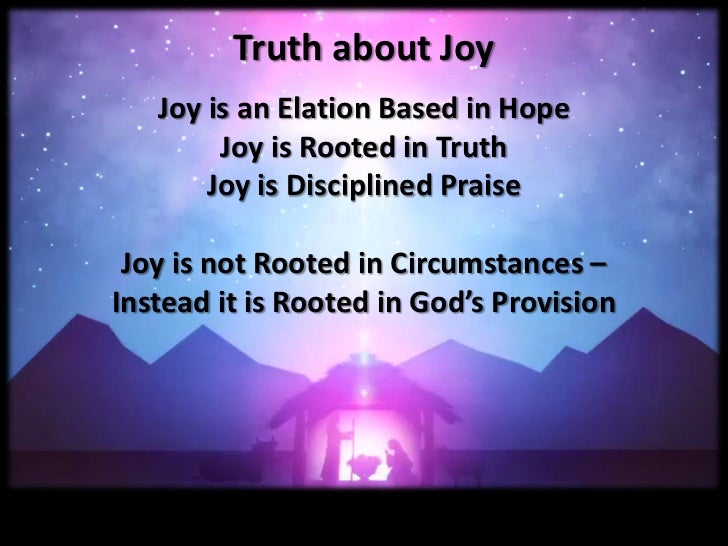
Truth and Joy
I was reflecting on this distinction between truth and joy that I brought up in my last post and then I went in a different direction. It made me think of Pope Benedict and Pope Francis. Benedict is about truth. Francis is about joy. I tend to find a spirituality based on truth more appealing. Still I am learning more and more about the importance of joy as I go.
There is a related distinction between judgement and mercy. Judgement is based on truth and mercy leads us to joy. Which matters more? It seems me that viewed from that perspective judgement needs to come first and mercy follows. We can't understand God's mercy without God's judgement. This is why the Old Testament has more emphasis on judgement. Once we get that we are sinners then we can understand mercy. Before that we just see God as being morally indifferent. Like a father who threatens punishment but always changes his mind. Children learn the wrong lesson.
This is the appeal of Pope Francis. Not so much that he says such nice things. There are a lot of people with a less stringent morality than him. It is the tone of mercy juxtaposed with the true judgement of the Catholic church. That truth is symbolized by Pope Benedict. Now both judgement and mercy go way back in church history but you get the idea.
If you understand what God is calling us to be through the teaching of the church then you can appreciate when God gives us a break when we don't live it out. When you don't understand the higher purpose God has for us then mercy feels like just getting away with it. It kind of feels good but you are still confused. It feels like you cheated the system.
When mercy becomes truth is when we are asked to extend mercy towards others. That becomes a challenge. What about immigrants. What about those in live for the death penalty. We receive God's mercy. Can we give it? Ultimately the two go together. We either live a life of grace or we live a life of works. Whatever sin you don't forgive in another you will find in yourself. Maybe not precisely the same act but something with parallels so close you will end up judging yourself. Mat 7:2 says, "For in the same way you judge others, you will be judged, and with the measure you use, it will be measured to you."
So at the end of the day we need both. We need God's grace to become better people and we need God's grace to pardon us when we fail at it. We need truth and we need joy. It does seem more natural to pursue truth and let joy come. Maybe that is because I am wired that way.
There is a related distinction between judgement and mercy. Judgement is based on truth and mercy leads us to joy. Which matters more? It seems me that viewed from that perspective judgement needs to come first and mercy follows. We can't understand God's mercy without God's judgement. This is why the Old Testament has more emphasis on judgement. Once we get that we are sinners then we can understand mercy. Before that we just see God as being morally indifferent. Like a father who threatens punishment but always changes his mind. Children learn the wrong lesson.
This is the appeal of Pope Francis. Not so much that he says such nice things. There are a lot of people with a less stringent morality than him. It is the tone of mercy juxtaposed with the true judgement of the Catholic church. That truth is symbolized by Pope Benedict. Now both judgement and mercy go way back in church history but you get the idea.
If you understand what God is calling us to be through the teaching of the church then you can appreciate when God gives us a break when we don't live it out. When you don't understand the higher purpose God has for us then mercy feels like just getting away with it. It kind of feels good but you are still confused. It feels like you cheated the system.
When mercy becomes truth is when we are asked to extend mercy towards others. That becomes a challenge. What about immigrants. What about those in live for the death penalty. We receive God's mercy. Can we give it? Ultimately the two go together. We either live a life of grace or we live a life of works. Whatever sin you don't forgive in another you will find in yourself. Maybe not precisely the same act but something with parallels so close you will end up judging yourself. Mat 7:2 says, "For in the same way you judge others, you will be judged, and with the measure you use, it will be measured to you."
So at the end of the day we need both. We need God's grace to become better people and we need God's grace to pardon us when we fail at it. We need truth and we need joy. It does seem more natural to pursue truth and let joy come. Maybe that is because I am wired that way.
Sunday, February 21, 2016
Pascal's Wager
I am done the book of Kreeft reflecting on Pascal for a while now. I did mean to write something about Pascal's wager. The wager itself is widely known but the groundwork laid before he makes the wager is where the real strength of the Penses lies. Often people respond to Pascal's wager without reading the preceding reasoning. They make objections that he did address but they don't know because they skipped to the climax. In some ways it is not even the climax.
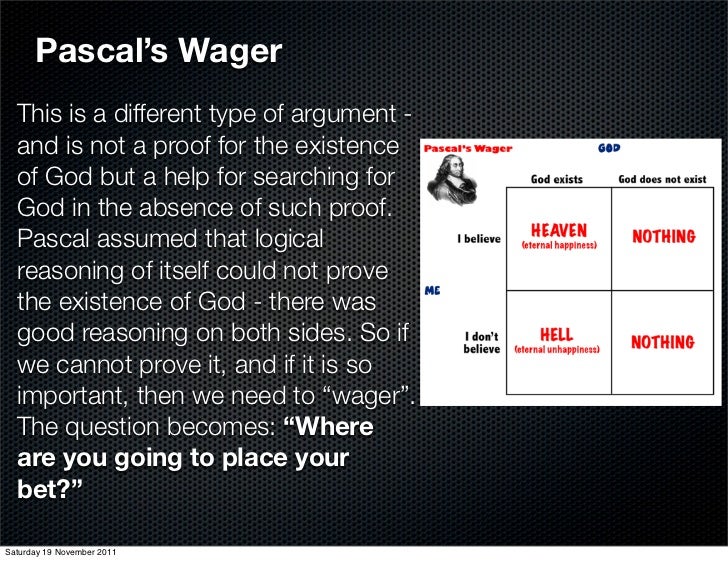
The wager is simple. There are 4 possibilities.
With #1 you win infinitely. With #2 you lose something but only finitely. With #3 you lose infinitely. With #4 you win something but still not much because life is still terrible. On balance, if the chance of Christianity being true is non-trivial you are right to bet your life on something that pays. Atheism has no upside for being right. You just know life is awful before everyone else does but there is nothing that can be done about it.
Kreeft draws the distinction between those seeking truth and those seeking joy. Pascal addresses both groups. The wager is only for those who are primarily seeking joy. What makes the most sense from a personal pain/pleasure standpoint? He does not ignore those who want to believe what is true regardless of the consequences. He has already argued that Catholicism is at least as likely to be true as anything else. You just have to read the whole thing.
What Pascal's wager does is lower the bar of certainty. We can come to the conclusion that Catholicism might be true but not be sure about it. Then we look at how much trouble and discomfort would be involved to reorder our lives. We might wonder whether or not it is worth it. Pascal's wager can be useful there.
Think of the person in scripture who says, "Lord, I believe. Help my unbelief!" That kind of person that has been toying with conversion and never seems to take the plunge. You don't have to wait until you have a faith that can move mountains before you come to the sacraments. Just come as you are and let God deal with you remaining doubts over time. Your conversion is not the end of your religious journey but really the beginning.
When we say we are saved by faith the question always comes, "How much faith do you need?" Protestants have no real answer. Catholics can't say when you don't have enough but they can tell when you do. If you have enough faith to come for baptism or come for confession then you have enough faith to be saved. You may still have many doubts but God honours the faith that brought you. When the priest performs the sacrament you are brought into a state of grace even with that imperfect faith.
The wager is simple. There are 4 possibilities.
- You become a Christian and Christianity is true
- You become a Christian and Christianity is false
- You don't become a Christian and Christianity is true
- You don't become a Christian and Christianity is false
With #1 you win infinitely. With #2 you lose something but only finitely. With #3 you lose infinitely. With #4 you win something but still not much because life is still terrible. On balance, if the chance of Christianity being true is non-trivial you are right to bet your life on something that pays. Atheism has no upside for being right. You just know life is awful before everyone else does but there is nothing that can be done about it.
Kreeft draws the distinction between those seeking truth and those seeking joy. Pascal addresses both groups. The wager is only for those who are primarily seeking joy. What makes the most sense from a personal pain/pleasure standpoint? He does not ignore those who want to believe what is true regardless of the consequences. He has already argued that Catholicism is at least as likely to be true as anything else. You just have to read the whole thing.
What Pascal's wager does is lower the bar of certainty. We can come to the conclusion that Catholicism might be true but not be sure about it. Then we look at how much trouble and discomfort would be involved to reorder our lives. We might wonder whether or not it is worth it. Pascal's wager can be useful there.
Think of the person in scripture who says, "Lord, I believe. Help my unbelief!" That kind of person that has been toying with conversion and never seems to take the plunge. You don't have to wait until you have a faith that can move mountains before you come to the sacraments. Just come as you are and let God deal with you remaining doubts over time. Your conversion is not the end of your religious journey but really the beginning.
When we say we are saved by faith the question always comes, "How much faith do you need?" Protestants have no real answer. Catholics can't say when you don't have enough but they can tell when you do. If you have enough faith to come for baptism or come for confession then you have enough faith to be saved. You may still have many doubts but God honours the faith that brought you. When the priest performs the sacrament you are brought into a state of grace even with that imperfect faith.
Friday, February 12, 2016
Lenten Musings
Well lent is officially on. We have all usual reflections on fasting and pascal mysteries. It always seems a little much. Lent really is very simple. You pray. You fast. You give alms. We can make those things complicated but lent is not about finding the best possible prayer discipline or the most interesting fast or the most efficient charity. It just about doing. About changing your life and participating in something many people are doing and often doing badly.
At its root prayer is about working on your relationship with God. Fasting is about working on your relationship with yourself and your own passions. Alms-giving is about working on your relationship with the rest of humanity. They are all related so we work on them all at the same time.
The most important part is not being clever about these things. It is just about wanting to do better. It is about hungering and thirsting for righteousness. That means never being satisfied. Always eagerly desiring to take the next step. Refusing to settle into a blissful rut. Thinking you are good enough to get to heaven and you can let purgatory take care of the rest. Purging our life of sin is the business we need to be in regardless of where we are at.
The desire is just not as easy to have as one might think. You fast and tell yourself every time I get hungry I am going to think about God and how much I love Him. Yet we do it and find ourselves really tempted to eat. I mean really tempted. It is such a reminder of how weak we are. Yet we have to start somewhere. The temptations towards lust and greed are going to be much stronger. We gain a few victories over our lesser passions and we can learn a lot.
It is really a school of grace. Grace is not always something that just happens to us. We need to cooperate with grace. God's strength gives us the victory but we need to keep choosing it. We need to become partners with God in our struggle for holiness. Lent give us a workout. Like physical training to get in better shape. Once the desire is in place you can keep making progress and go a long ways. Yet you have to learn how to say No to you body's desire to quit and say Yes to God's power to help you.
Just like in the physical world, training leads to victory. Long term we need to keep raising the bar and keep challenging ourselves. That is the way to true joy and real power. Easter will be a time of joy if we take lent seriously. It will be a time when God can shower you with many blessings precisely because you have reordered yourself. You have dealt with "the lust of the flesh, the lust of the eyes, and the pride of life" that 1 John 2:16 mentions. God is always wanting to bless you. Getting rid of the obstacles will open many avenues of blessing you didn't dream of.
At its root prayer is about working on your relationship with God. Fasting is about working on your relationship with yourself and your own passions. Alms-giving is about working on your relationship with the rest of humanity. They are all related so we work on them all at the same time.
The most important part is not being clever about these things. It is just about wanting to do better. It is about hungering and thirsting for righteousness. That means never being satisfied. Always eagerly desiring to take the next step. Refusing to settle into a blissful rut. Thinking you are good enough to get to heaven and you can let purgatory take care of the rest. Purging our life of sin is the business we need to be in regardless of where we are at.
The desire is just not as easy to have as one might think. You fast and tell yourself every time I get hungry I am going to think about God and how much I love Him. Yet we do it and find ourselves really tempted to eat. I mean really tempted. It is such a reminder of how weak we are. Yet we have to start somewhere. The temptations towards lust and greed are going to be much stronger. We gain a few victories over our lesser passions and we can learn a lot.
It is really a school of grace. Grace is not always something that just happens to us. We need to cooperate with grace. God's strength gives us the victory but we need to keep choosing it. We need to become partners with God in our struggle for holiness. Lent give us a workout. Like physical training to get in better shape. Once the desire is in place you can keep making progress and go a long ways. Yet you have to learn how to say No to you body's desire to quit and say Yes to God's power to help you.
Just like in the physical world, training leads to victory. Long term we need to keep raising the bar and keep challenging ourselves. That is the way to true joy and real power. Easter will be a time of joy if we take lent seriously. It will be a time when God can shower you with many blessings precisely because you have reordered yourself. You have dealt with "the lust of the flesh, the lust of the eyes, and the pride of life" that 1 John 2:16 mentions. God is always wanting to bless you. Getting rid of the obstacles will open many avenues of blessing you didn't dream of.
Saturday, February 6, 2016
Encountering Holiness
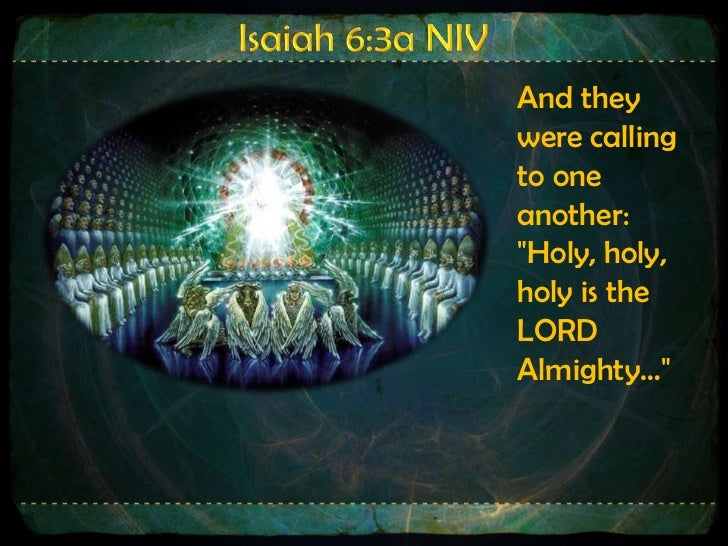
Last week the gospel was Luke 4 and we saw how the people of Nazareth responded to Jesus' claim to be the Messiah. They tried to throw him off a cliff. This week the gospel is Luke 5 and we see Peter's response. Peter asks Jesus to depart from him because he is a sinful man. Even in the first reading Isaiah talks about being doomed because he is a man of unclean lips and has encountered true holiness.
What these people all have in common is they get it. They know two things. They know God is holy and they are not. They were not bad people by today's standards. They were all quite religious and did not have any hidden sin that is mentioned. Yet they had God at a distance. At least they thought they did. Yet God drew close to them. God does that. That is the gospel. God comes to earth. We don't go up to heaven.
When God arrives we have two choices. We can shoot the messenger or we can beg for mercy. That is why they wanted to throw Jesus off a cliff. People can't encounter God's truth and be unmoved by it. We tend to water down that truth and try to make it inoffensive. Yet it has to offend. Jesus offended often.
Isaiah and Peter respond to their encounters by pointing out the impossibility of it. I can't stand in the presence of God. My sin will surely become know and it will be Game Over for me. Their response is sorrow rather than anger. It reminds me of Mary's response in Luke 1:34. How can it be since I am a virgin? In the minds of Peter and Isaiah, God having a relationship with them was just as impossible as a virgin giving birth. They were right. Realizing this is an important first step in their walk with God.
Walking with God is a life with deep peace and great joy. Yet it is also full of very uncomfortable encounters like the ones described here. The anger of the people of Nazareth is not out of the question. We will want to throw Jesus off a cliff many times. We should find ourselves telling God often that we are not near holy enough to do what He is asking. That is what a healthy, growing relationship with God works.
The trouble is we don't just water down the gospel for those unchurched folks who might react badly. We water it down for ourselves. To keep God at a safe distance. We end up stuck in a spiritual rut. It is called sloth. Where we don't react strongly to any spiritual inputs. It is one of the seven deadly sins and for good reason. It can kill our walk with God and Yes it can land us in hell.
What these people all have in common is they get it. They know two things. They know God is holy and they are not. They were not bad people by today's standards. They were all quite religious and did not have any hidden sin that is mentioned. Yet they had God at a distance. At least they thought they did. Yet God drew close to them. God does that. That is the gospel. God comes to earth. We don't go up to heaven.
When God arrives we have two choices. We can shoot the messenger or we can beg for mercy. That is why they wanted to throw Jesus off a cliff. People can't encounter God's truth and be unmoved by it. We tend to water down that truth and try to make it inoffensive. Yet it has to offend. Jesus offended often.
Isaiah and Peter respond to their encounters by pointing out the impossibility of it. I can't stand in the presence of God. My sin will surely become know and it will be Game Over for me. Their response is sorrow rather than anger. It reminds me of Mary's response in Luke 1:34. How can it be since I am a virgin? In the minds of Peter and Isaiah, God having a relationship with them was just as impossible as a virgin giving birth. They were right. Realizing this is an important first step in their walk with God.
Walking with God is a life with deep peace and great joy. Yet it is also full of very uncomfortable encounters like the ones described here. The anger of the people of Nazareth is not out of the question. We will want to throw Jesus off a cliff many times. We should find ourselves telling God often that we are not near holy enough to do what He is asking. That is what a healthy, growing relationship with God works.
The trouble is we don't just water down the gospel for those unchurched folks who might react badly. We water it down for ourselves. To keep God at a safe distance. We end up stuck in a spiritual rut. It is called sloth. Where we don't react strongly to any spiritual inputs. It is one of the seven deadly sins and for good reason. It can kill our walk with God and Yes it can land us in hell.
Subscribe to:
Posts (Atom)